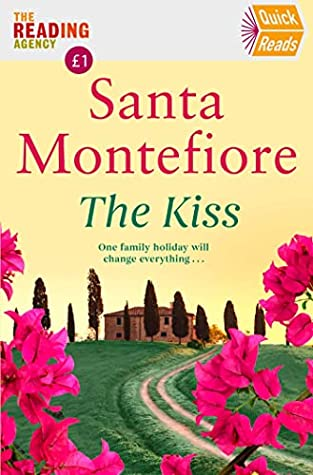
Book Review: The Kiss by Santa Montefiore

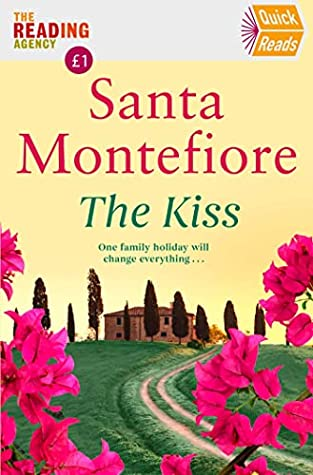
I picked this eBook up from my local library as a new release. Downloading it I realised it was only just over one hundred pages long and is linked to Quick Reads which is ‘part of the Reading Agency, a national charity tackling life’s big challenges through the proven power of reading.’  

As the name suggest, Quick Reads are short books written by authors, some of whom are best-selling authors such as Graham Norton, Jojo Moyes etc and are designed to entice more people to discover reading, particularly in the UK. A great concept indeed. Additionally a quick read can also be an ideal way to deal with your Goodreads challenge.

The Kiss by Santa Montefiore would be an ideal book to entice someone into reading. It’s short but also hooks the reader in very quickly – it has to, as it’s so short. So what is it about?

Maddison turns eighteen and her mother finally tells her that her birth father is Robert, a wealthy television producer. When Robert, who is happily married with three sons all in their twenties, receives a letter from Maddison, his world is rocked. His secret one night tryst is about to destroy his family. What happens next is not what you expect.

This is a light read with a couple of twists which are fairly predictable. But having said that, it does get into some uncomfortable territory and to say more would reveal a major spoiler. It’s a not literary masterpiece but is fast paced and well written partly set in Tuscany. What more could you want?

For those of you want to read but just can’t stomach a thick novel, then try this one out. It won’t take you to long and who knows, it might inspire to read more.

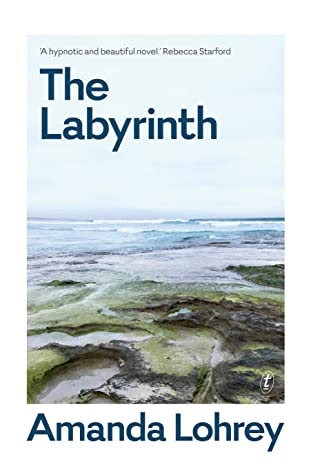
Book Review: Labyrinth by Amanda Lohrey

A powerful story of love and guilt, this novel won the Miles Franklin prize in 2021.

Erica’s son is in jail and she relocates to Tasmania to live near the jail to be near him.  She is used to strange people and strange places because she was brought in a mental asylum where her father was the head psychiatrist. It’s at the asylum where she used to play in a labyrinth and so she tries to recreate one in her garden at the seaside hamlet in Tasmania where she now lives.

The story of her life unfolds as does her obsession to recreate the labyrinth of her childhood searching for strength, will or perhaps happiness. She befriends a stone mason, an illegal immigrant who understands her vision and after doing menial jobs is happy to help her build the labyrinth.

‘I am the prisoner of an idea with no path to its realisation. Were it not for the dream I would not persist, but for now I remain its captive.’

Lohrey explores the relationship between mother and son which begins with little to no communication and is slightly reminiscent of We Need to talk about Kevin. But it’s not so much a reflection of their relationship but rather a journey of introspection into Erica’s life and the relationships which holds dear. But the one with her son is the most painful – ‘the hatred of the mother who is not enough, who is not the longed-for father.” Just that sentence conveys such pain.

It’s a beautifully written novel, descriptive as it is evocative.

“I light a fire in the living room fireplace, which is shallow and smokes; it spits embers onto the rug and the first billow of smoke stings my eyes.’

Erica’s house on the beach, is rundown yet holds a charm and she soon becomes immersed into the community and eventually acquires a sense of belonging and peace. And now I know what a labyrinth is.

It’s a wonderful read.

The Month that was … April

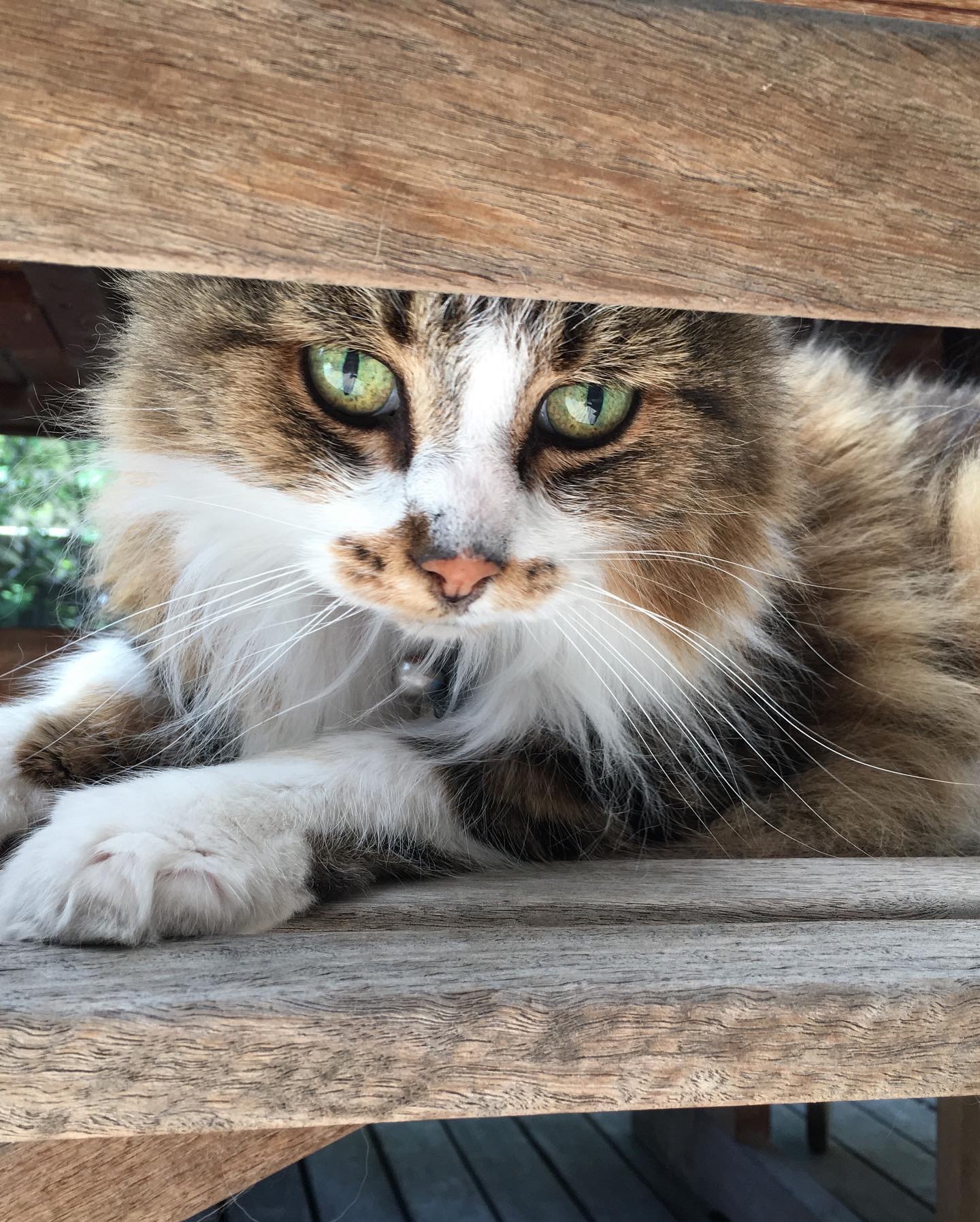
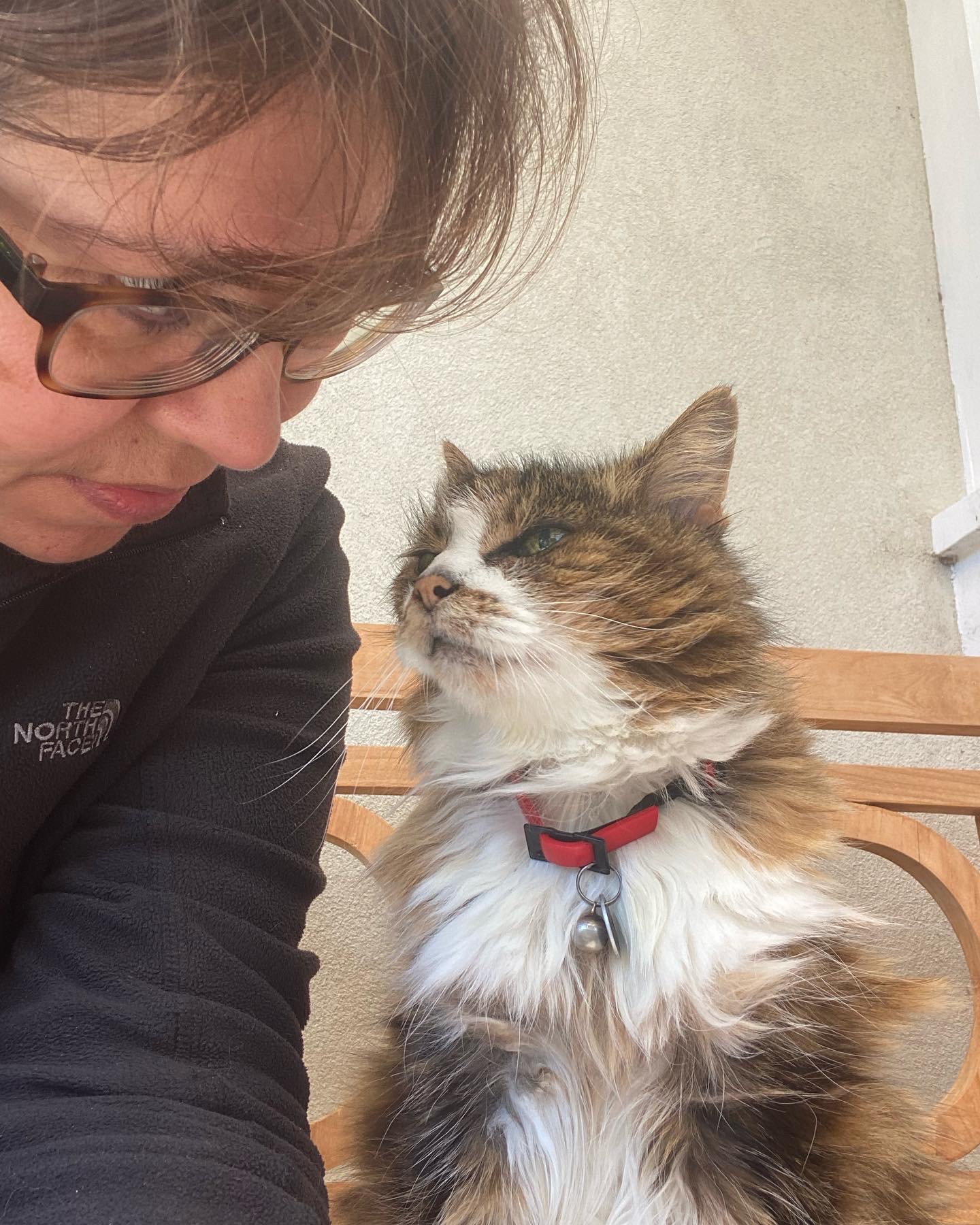
A tough month particularly with the passing of our cat Ruggs. She was twenty-two years and five months old with a wonderful personality and an astounding intelligence. She featured in many an Instagram, Facebook or web post primarily because she edged her way into the photos. While she lost her hearing a few years ago she was relatively well until Good Friday when her kidneys failed. We miss her immensely.

Reading

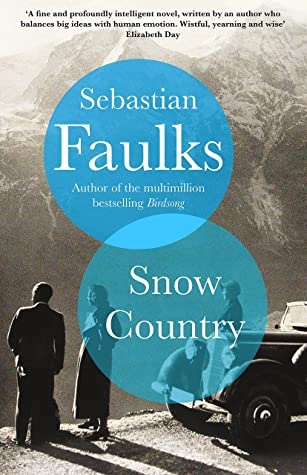
I’ve consoled myself by immersing myself into reading and writing. This is what I’ve been reading this month. Reviews will follow in coming weeks.

Writing

I’m still tinkering with my new novel but it’s just about ready for beta readers.

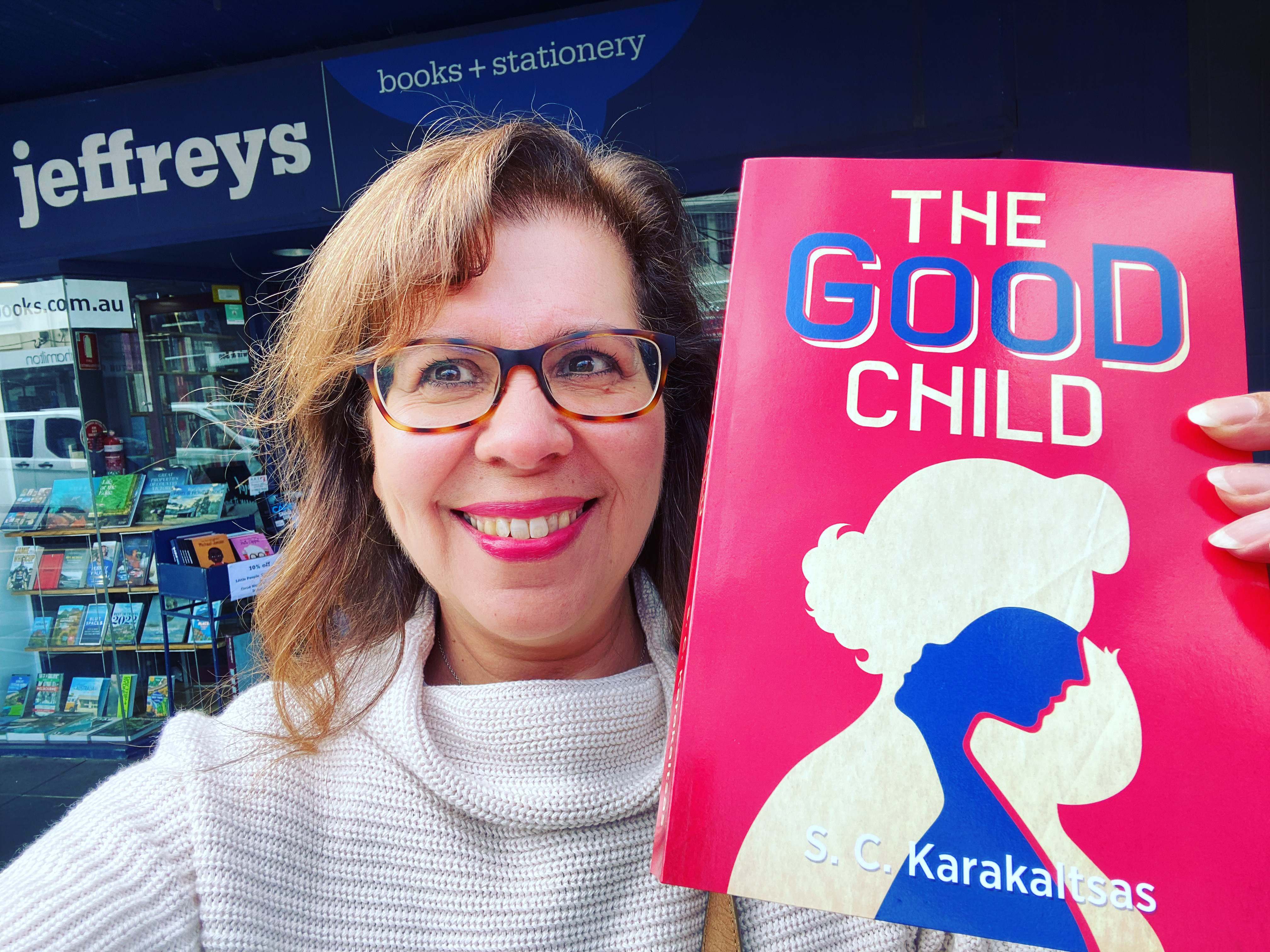
And The Good Child is now in my local bookstore, Jeffrey’s Books in Malvern. 

So until next month, happy reading everyone…

Book Review: Loveland by Robert Lukins

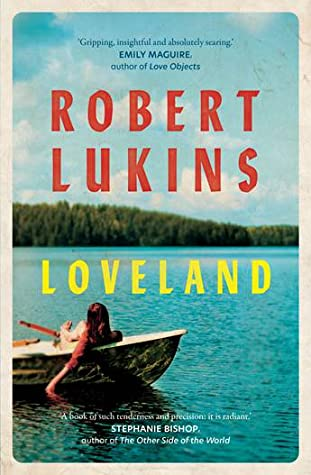
Photo of a woman reclining in a rowboat on a lake- courtesy of Goodreads

‘Two women stand in the shallows, a man dead at their feet, while around them buildings burn.’

This dual timeline story centres around Casey and her granddaughter May. When May inherits her grandmother’s house in Nebraska, she leaves Australia to sell the house which has sat vacant since 1958. The house is part of an estate set up by the Love family who envisaged a resort on the banks of a lake. May, escaping a controlling and violent husband and a remote teenage son, wonders when she arrives whether her grandmother has given her the opportunity to escape.

The run-down house fronts a stagnant poisoned lake and as May works to put the house on the market, she learns why her grandmother abandoned it for a life with her small daughter in Australia and discovers how their lives interconnect.

This is a beautifully written book and my first by Australian author, Robert Lukins.  He does a superb job drawing out the characters as well as the sinister relationships they deal with. The treatment of abuse by controlling men was sensitively as well as brilliantly portrayed.

I enjoyed the description of the town, the people and the lake. Underneath the welcoming and friendly veneer lies economic and environmental issues which create a running tension pushing us to urge May to stay strong. A trip to the countryside provides a tour guide to the state which although interesting seemed a little out of place.

All in all, this was a very enjoyable read full of tension and great pace. Highly recommend this one.

Book Review: Devotion by Hannah Kent

I’m a huge fan of Hannah Kent having read Burial Rites and The Good People. Devotion is a totally unexpected book.

This is Hanne Nussbaum’s story tracing her life with her twin brother and parents in the Lutheran village of Kay in 1836 Prussia. Hanne is a loner enjoying the company of birds and trees rather than people, until she meets Thea who with her parents moves to the town. Theirs is a frugal life filled with religious teachings until it becomes impossible to worship freely and they with most of the village begin the arduous voyage to freedom in South Australia in 1838.

Essentially this is an obsessional fantasy story of love between Hanne and her friend Thea. They connect on every level to the exclusion almost of everyone else. I was shocked by the twist in the middle of the book which jarred me a little until, like Hanne, I learnt to accept. It was extremely clever as Kent makes the reader feel the emotion and disbelief just as the character would. The reader is just as bewildered and as lost as Hanne is as we come to grips with what has happened. We spend a lot of time inside her head trying to make sense of the changes she faces.

From that point, I felt it began to disintegrate a little. The love for Thea was one sided leaving the rest of her family, in particular, her twin brother behind. I struggled to buy it and the second half of the book just didn’t work in quite the same way as the first half. Hanne’s woe became repetitious and the religious component failed to fully enlighten me about the Lutheran religion. The tension around the suspicions of witchcraft by Thea’s also seemed anticlimactic.

Yet, the writing is sublime as is the description of place.  The reader is brought into the belly of the overcrowded ship, smelling the stifling air, like Hanne does. The South Australian landscape is vivid as are the people. The beginnings of the Hahndorf settlement was also enlightening.

“I found a whaling station that smelled of death and disruption, white men missing teeth, their faces greased mean with hunger for sea pelt, and even through the coastline there was a deep love song of granite submitting to time and weather, I felt uneasy.”

It’s hard not to give away the twist but I wondered why the story couldn’t have continued without it. Perhaps that might have worked a little better to develop the forbidden relationships entwined with the expectation of women of that time. The end was wrapped up neatly yet I was a little bewildered by the where the story took us.  This one didn’t quite work as for me but I am glad I read it and will always read more of Hannah Kent.

Book Review: Shuggie Bain by Douglas Stuart

Pic of mother and child in bed is courtesy of Goodreads

This is a powerful story reminding me of the poverty of Angela’s Ashes and the coming of age grief in the book, Honeybee.

The writing alone by this debut author is extraordinary and I can see why it won The Booker Prize in 2020. It’s emotional, tearing at the heart strings as we follow the story of young Shuggie trying to come to grips with who he is as well as survive with his alcoholic mother, Agnes in Thatcher’s 1980’s Scotland.

‘The housing scheme spread out suddenly before them… low roofed houses, square and squat, huddled in neat rows… surrounded by peaty marshland, and to the east the land had been turned inside out, blackened and slagged in the search for coal.’

The descriptions are vivid, dropping the reader into the poverty, alcohol, desperation as a result of political policy’s failure on the ordinary person. Indeed, unemployment was high as a result of the coal mines closing down and the consequences dire.

Stuart himself was raised in such a place with an alcoholic mother who died when he was sixteen and I have no doubt he has dug deep inside to pull out painful memories and experiences to bring us such a powerful book.

Shuggie’s struggle to take on the responsibility of looking after his mother long after his two older siblings have given up is nothing short of heart-breaking. And don’t get me wrong, it’s a hard read at times, relentless as it is in the depressing world Shuggie belongs to. There is no-one to rely on other than himself and his mother and when Agnes eventually seeks help, Shuggie’s joy is tentative waiting for when his mother can no longer resist the bottle.

It’s a book which leaves you reeling and if you’re looking for something light-hearted and uplifting then this one may not be for you. But if you want to immerse yourself into powerful bit of story telling, then check it out.

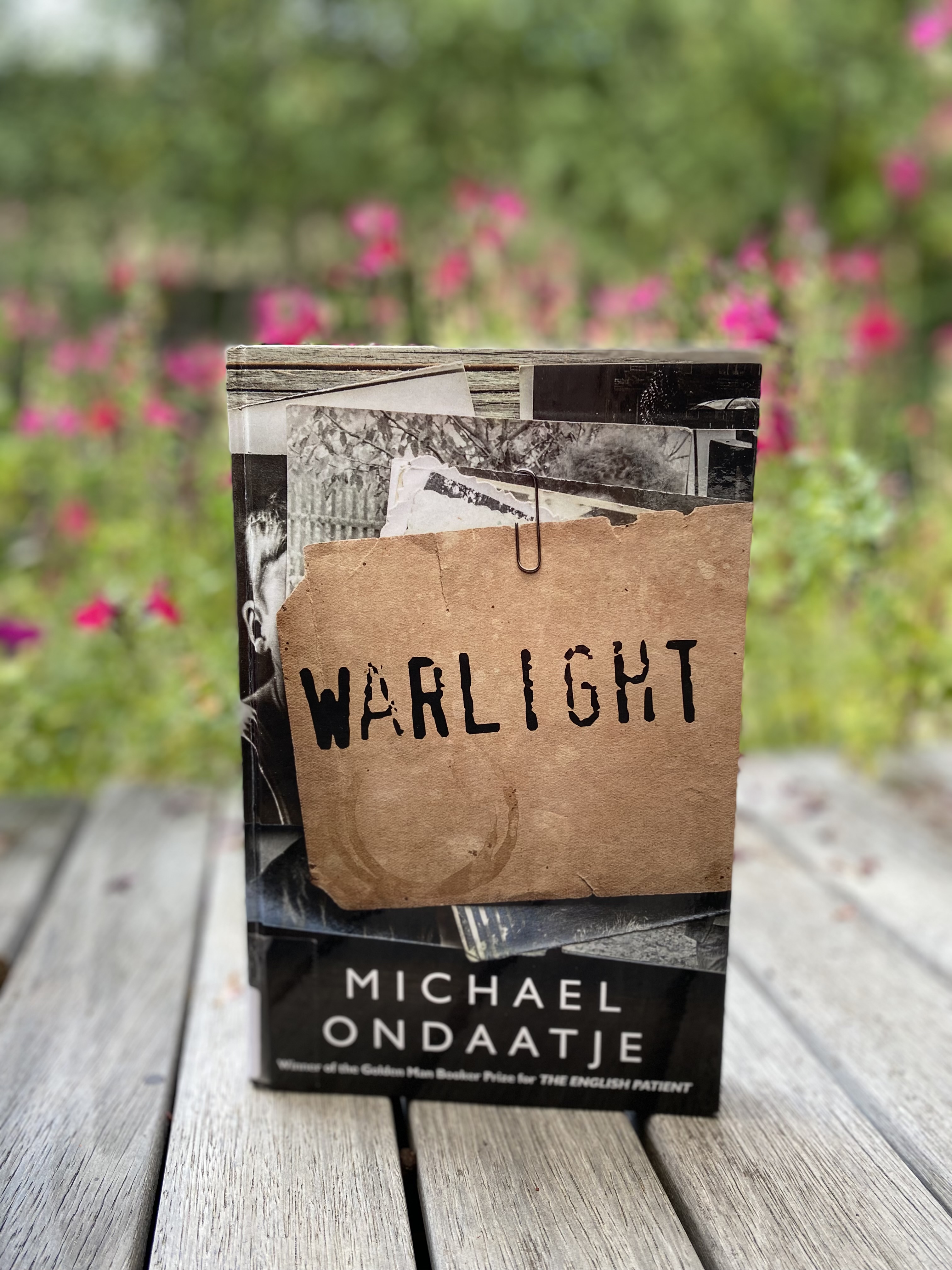
Book Review: Warlight by Michael Ondaatje

This book club pick was also recommended by a friend as well as being longlisted for the Booker in 2018.

There are two halves to this book covering two timelines. The first is set in 1945 when fourteen-year-old Nathaniel and his older sister, Rachel are left by their parents in the care of a man they call The Moth. They’re told their parents are going to Asia and a year goes by without a word from them. In the meantime, The Moth encourages and embraces a number of house guests, some of whom the children suspect are criminals, who protect and influence them in various ways. The second half of the book is set when Nathaniel is twenty-eight as he sets about trying to make sense of what happened in his childhood. What an intriguing premise as I settled down to read.

The story is told in first person from Nathaniel’s point of view in a memoir format which served to distance me from the story. And while it’s a fantastic story filled with spies and cold war intrigue, it left me frustrated, with little feeling for any of the characters, many of whom are known only by their nicknames. They meander in and out of Nathaniel’s life as he navigates work in a hotel, learning about and experiencing sex and gambling. These side issues and events had little bearing on the growth of Nathaniel as a person. Nor did it provide any enlightenment about what had happened to his parents.

The second half was better when the grown up Nathaniel searches for answers to bring pieces of his childhood together. His focus centred on his mother and we never learned what really happened to his father. Gaps like this left me frustrated. Perhaps that was the intention of the author – to get the reader to come to their own conclusions.

There are interesting aspects such as the cold war, grey hound racing, the blitz, gathering of intelligence and smuggling. There was a lot of interesting historical context and information which meandered through the novel, which only served to distance me. I never felt close to any of the characters and never connected to them.

Perhaps it’s this style of writing that bothered me. Either way, it wasn’t as enjoyable as I’d hoped or even expected from the blurb. There you have it. It was a disappointment and just wasn’t for me.