The Month that was… August 2022

The month opened with a full dose of Covid 19 which I had braggingly avoided for two and half years. Despite my four boosters and healthy lifestyle, it caught me just as it has many others. It wasn’t mild, it was downright nasty but I did recover and am now back on my game once more.

Travel

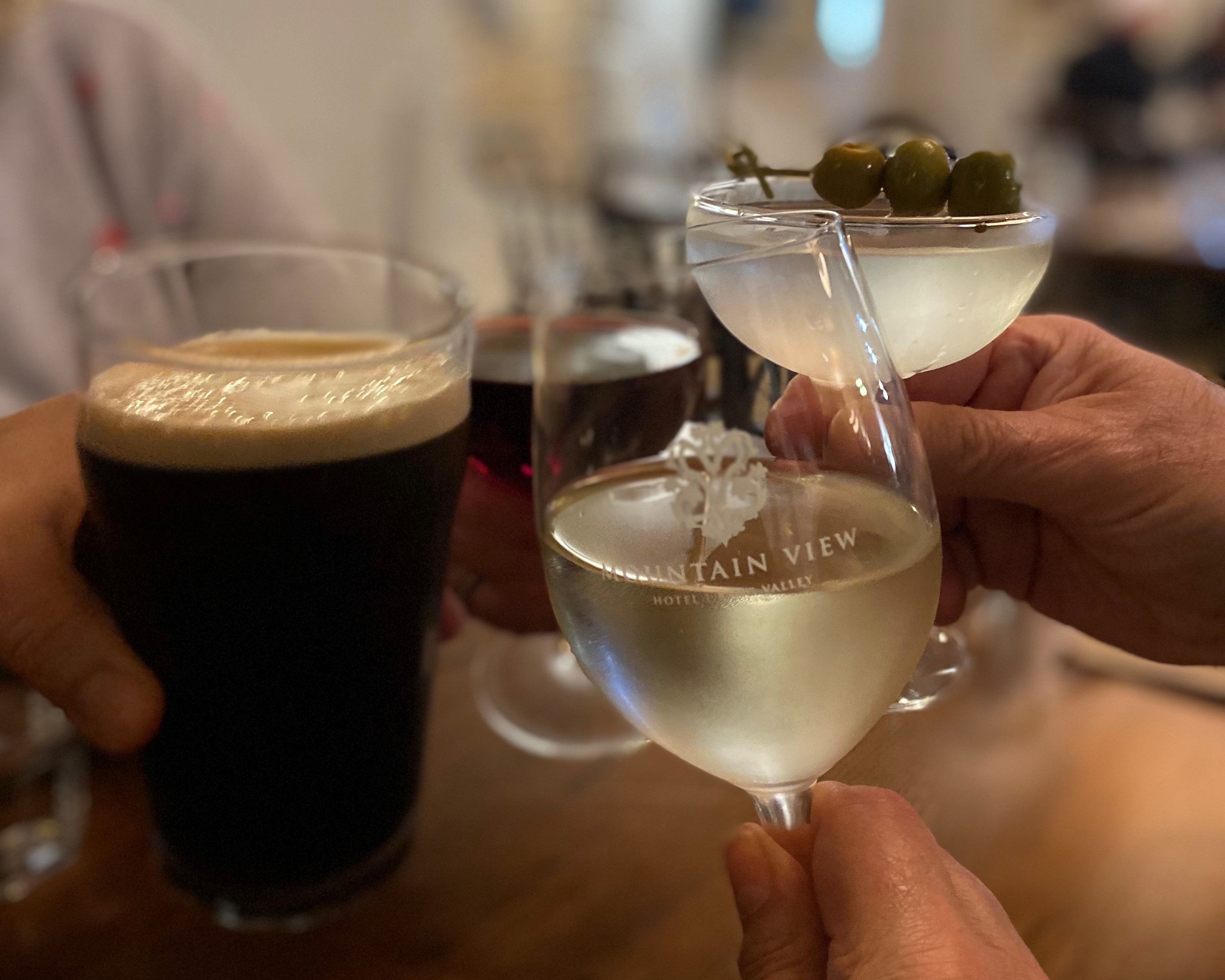
I managed to squeeze in a little trip to King Valley which is about three and half hours north of Melbourne nestled at the foot of the Alpine ranges. And yes, snow capped mountains were in sight. A gorgeous spot for wine, food and views.

Reading.

I had more time for books. So a bit of covid reading got me through. Watch out for the reviews.

Until next month…

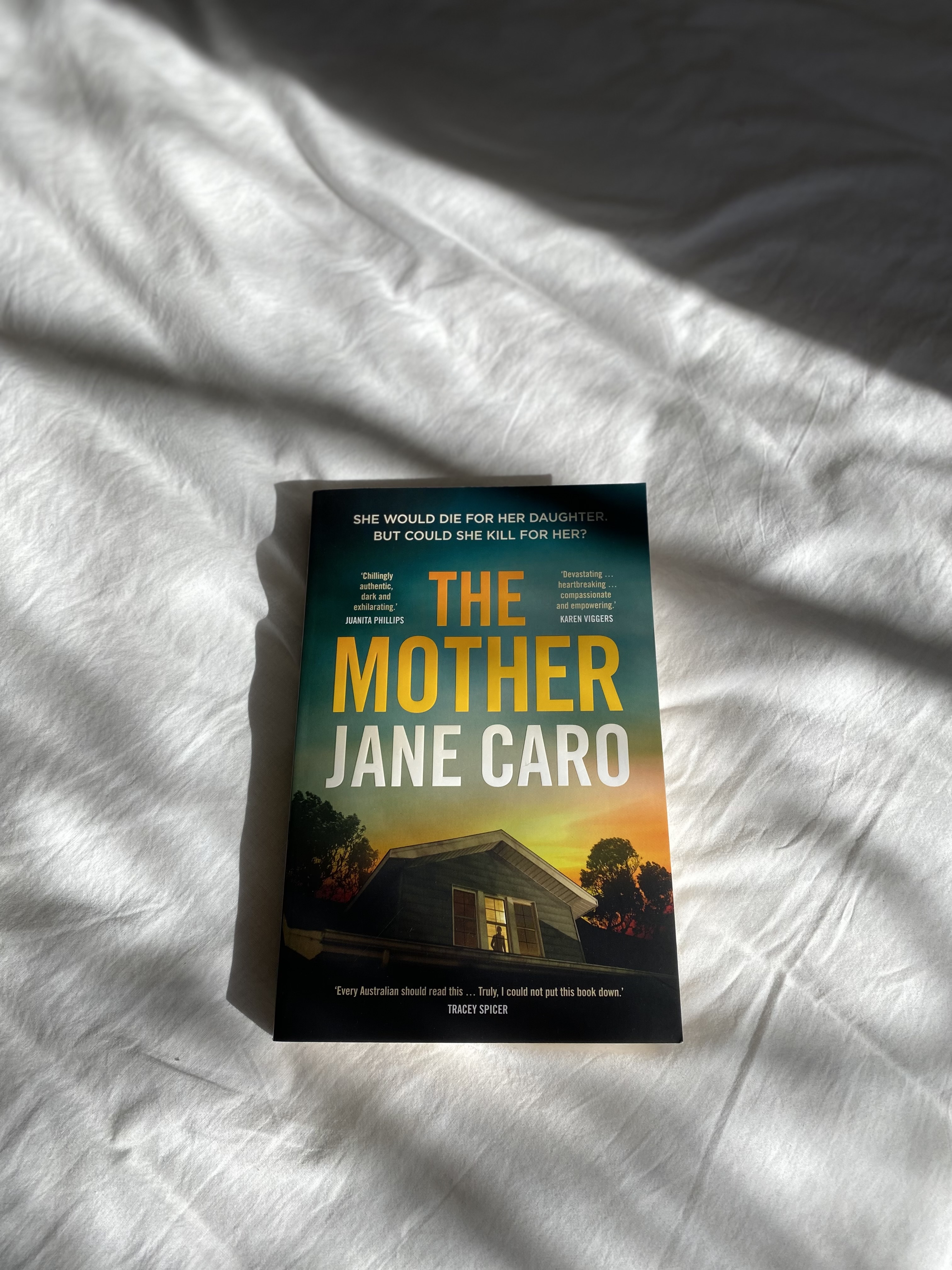
Book Review: The Mother by Jane Caro

A fictional debut by Jane Caro, this story about coercive control sheds a light on an ugly and little-known side of domestic violence. 

Newly-widowed, Miriam is grappling with her husband’s sudden death when her younger daughter, Ally marries a man she doesn’t know. Her relationship with Ally hasn’t always been steady made all the more difficult by her distance of a few hours where she lives in a country town. Ally’s new husband, Nick seems to say and do all the right things. Yet when he calls her to discuss Ally’s mental health issues after her son is born, Miriam is concerned enough to visit her daughter to help.  After much cover up, the truth emerges of what has been going on behind closed doors when Ally eventually leaves Nick to seek refuge with Miriam. And so, this sets off a reign of terror unleashing a painful dilemma for Miriam about the right course of action.

The first half of the novel was understandably slow as we meet and understand the characters, in particular Miriam.  You can’t help but feel sorry for her as she grapples with something she’s doesn’t understand. Her internalising for me was a little repetitive taking me out of the story at times.

Nevertheless, the author does a great job showing us what the subtlety of coercive control looks like. Is her Ally overreacting, believing she is the problem? Is Miriam really listening and questioning? Is anyone picking up the many red flags like surveillance, constant phone calls, and withholding money?   The second half however really comes into its own as the tension and suspense rachets up. I was unable to put this one down until the end.

There was a struggle in my head as I put myself into Miriam’s place wondering what on earth I would do in the same situation. How far would you go to protect your children? Surprisingly, I think many of us would want to go as far as we could. But whether we have the capacity is another matter.

This story, while topical is nevertheless an important one highlighting the gaps in our collective understanding of coercive control and the law’s inability to do much about it. As I write, there is debate by our politicians to change the law as well as educate everyone about what it looks likes and its consequences. Until there are serious consequence for this type of control, then it will only continue.

This one is  thought provoking and one to read.

Book Review: Band-aid for a Broken Leg by Damien Brown

This is a Melbourne doctor’s remarkable story of his experience working for Médecins Sans Frontières in Africa. It was published in 2012 so it’s not a recent experience but passing time has not changed the needs of the poor in Africa

The author at twenty-nine decides to volunteer to run a small hospital in the town of Mavinga in Angola. He’s wholly unprepared for what he must do as he faces health problems that is almost never encountered in a large Australian city hospital.  Illnesses such as malaria and malnutrition are just two of the top ten standard ailments in a place like this. His medical training is severely tested without the state-of-the-art medical equipment, fully trained staff and latest blood testing capabilities as it would be for anyone. In the place where he finds himself, the staff are barely trained, administering their own idea of drugs, where the harshness of the climate and the underlying fear of gunfire are never far away.

His quinine infusion hangs from a nail on an improvised wooden stand, and there will be electricity for lighting for just four hours… there is little else.’

Brown battles his own insecurities to fit in as a square peg in a round hole not of his making. Staff are not always happy and he has his own health issues to contend with in the outside latrine, battling plate-sized spiders and numerous other insects. But for all that, he has the strength to persevere, to make a difference which is the sole reason he volunteers for such a post. He gives us a picture of the history, the wars and the battle that people in Angola as well as South Sudan have had to deal with, of survival despite the warring by patriarchal societies, where mostly woman and children wear the human toll.

When Brown heads into South Sudan for another stint the toll is set even higher as political tensions escalate and he wonders if any of the aid workers are making any difference. But they are. They make a hell of a difference for each of the women and children they come into contact with and yes it might be a band-aid solution while a political one awaits.

I was totally engrossed by this doctor’s experience; his own self-reflection and discovery was not only enlightening but inspiring. This is beautifully written book and one to definitely read. Give it a go.

Book Review: Still Life by Sarah Winman

Still Life is a highly regarded and acclaimed novel and after reading it, I can see why.

Beginning in the dying moments of the second world war in Italy, Ulysses Temper, a young British soldier meets Evelyn Skinner a middle-aged art historian on the hunt to salvage paintings from the ruins of the war. This establishes the story of mostly, Ulysses his life after the war and the influence on him by this chance meeting.

There is no real plot but the story is full and rich as we navigate the decades. Ulysses is the pivotal star whose gentle and calm nature holds the crew of other characters together. More importantly it is through his eyes that the reader is seduced to fall for him and his life as we voyeuristically involve ourselves in the everyday detail. The supporting characters are terrific with a full kaleidoscope of humour, sadness, good will and genuine friendship. Who could not love the parrot, Claude? Even the writer, E. M. Skinner turns up. But Peggy and her daughter Alys, were difficult characters and for me Alys belied her years so much that it edged on disbelief.

The other main character is of course, the city of Florence. Who could resist a book about a group of friends living in such a place? I was surprised also to learn of the great flood.  It took me back to my own visit there many years ago when the river, far from a raging torrent was a mere trickle when the city was in severe drought. This book made me wonder what it is that makes a city have heart and soul. Is it the food, the people or the art? I think it’s all of that and Winman showcases it beautifully.

Art by some of the masters portrayed women in a less than favourable light and Winman gave us a lesson about the sexism providing a valuable insight for the reader.

Apart from amazing characters, the book is humorous with elements of fantasy, talking trees no less, with themes of homosexuality, single motherhood and war trauma which serves to make the reader more empathic.

The only down side for me was the last section about Evelyn which seemed out of place, repetitive and serving little purpose. I did want to know more about her, what she had done after the war for example but we got very little. I know this chapter has created some controversy and as you can tell, I wasn’t for it.

Apart from that, the writing is sublime, descriptive and evocative of place; the narrative conversational.  Check this one out if you can.

The Month that was … July 2022

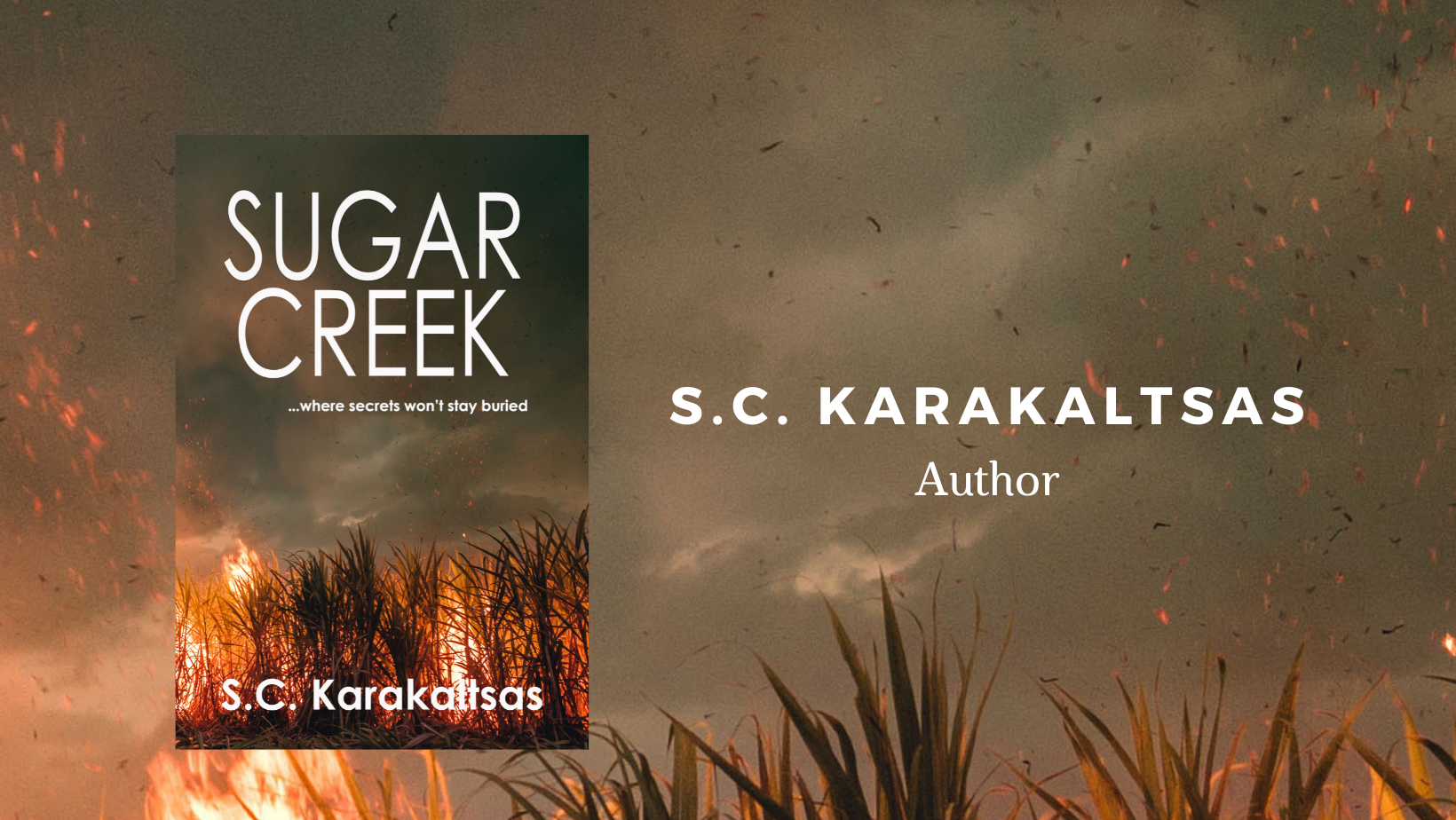
There was a lot of in-the-field research done this month with a visit to Far North Queensland for my new novel, The Palace Hotel.

My trip started in Cairns and then from there we drove through the Atherton Tablelands, then back down to the coast to Mission Beach, through Townsville and onto Airlie Beach and the beautiful Whitsunday Islands.

I explored cane fields, tropical rainforests and small historic towns, all the while imagining what it might have been like in 1948, for my protagonist, Ellen when she arrived in the fictitious cane field town of Sugar Creek looking for her cane-cutter, fiancé. I also wondered about my other character, young GP, Dr Dana Janssen and how she settled into this same town, fifty-two years later only to discover that nothing is as it seems. Surely, their paths cross?

Yes, it’s another dual time-line, dual character novel in the making.

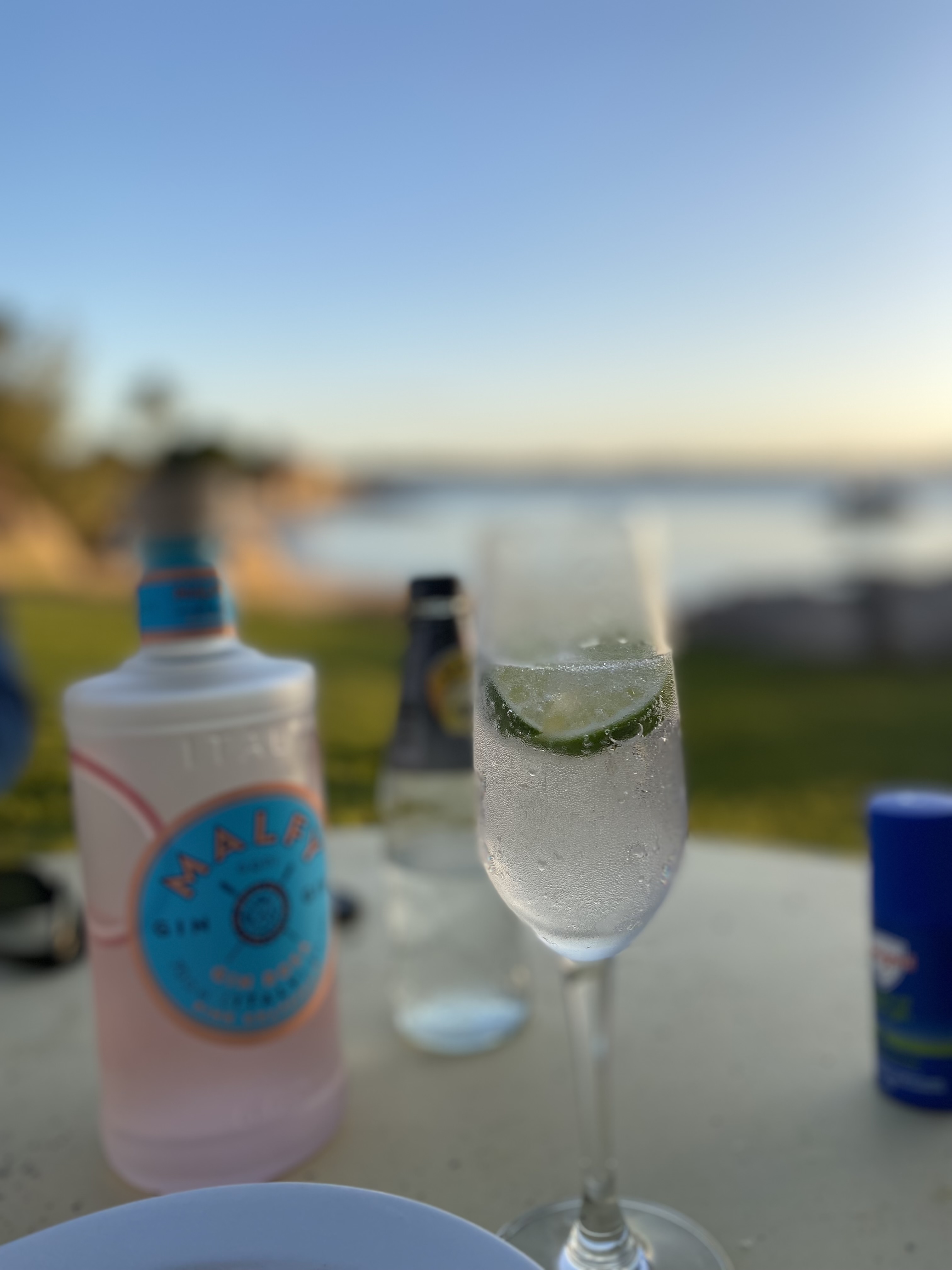
A truly glorious trip of more than 700 kilometres with the added bonus of catching up with some friends at the end.It can’t be all work and no play and like the patrons of The Palace Hotel, one must enjoy a gin and tonic at the end of a long day. Scroll through the pics below for a little peak and watch out for more on the progress of my WIP, The Palace Hotel.

Reading

I thought I might have done a little more reading but travelling left me time for only one book and that was Still Life. Watch out for my review in August.

Until next month…

Book Review: French Braid by Anne Tyler

It’s been a very long time since I read one of Anne Tylers books and writing about family is one of the  things she does best.

Mercy and Robin marry in 1940 and while Robin works long hours in the father’s plumbing business, Mercy raises the couples three children, Alice, Lily and David.  They manage to go away on their one and only holiday in 1957 with the three children. The novel provides snippets of their lives until 2020 and this is one of the rare novels, I’ve read which talks about living with the pandemic, familiar to so many of us.

Mercy is also an artist and there are no prizes for her style of mothering, as it is at best basic.  Alice picks up where her mother has left off by being the cook and carer of the younger two. The parents fail to see anything wrong with letting Lily, only fifteen, go out with a twenty-one-year-old man and Alice worries for her younger sister. 

The novel skips time after the holiday, spanning such a lot of time that I failed to truly engage with any of the characters. Mercy was self-absorbed in her need for peace and quite as she slowly moved away from Robin to live in a loft above a garage, ostensibly to paint. Robin is left bewildered, isolated, alone and sad. No-one confronts Mercy and the family just seems to know she’s left despite the appearances. But that is how the family operates – nonconfrontational.

There’s a sadness throughout as Robin tries valiantly to hold onto a non-existent marriage too weak to do anything about it. Alice helicopters over her sister, Lily, sitting in judgement about her behaviour while David their brother is so remote that he may as well have been on another planet.

They are more a set of individuals living in their own worlds than a cohesive family unit and I wondered what was the point of it all. While there is no plot, it is a pure character study yet the characters weren’t particularly interesting enough to spend time with and Tyler doesn’t allow us to anyway.  The reader never really gets close enough to anyone other than Mercy yet we still don’t understand her – I didn’t anyway.

The idea that family patterns can repeat is joyfully at odds with David who as an old man, a grandpa himself, gives rise to hope that he has out of them all, created a family whom he loves and is deeply connected to. And, he was surprisingly the one who shone through with hope for the future.

I’m glad I read this one.

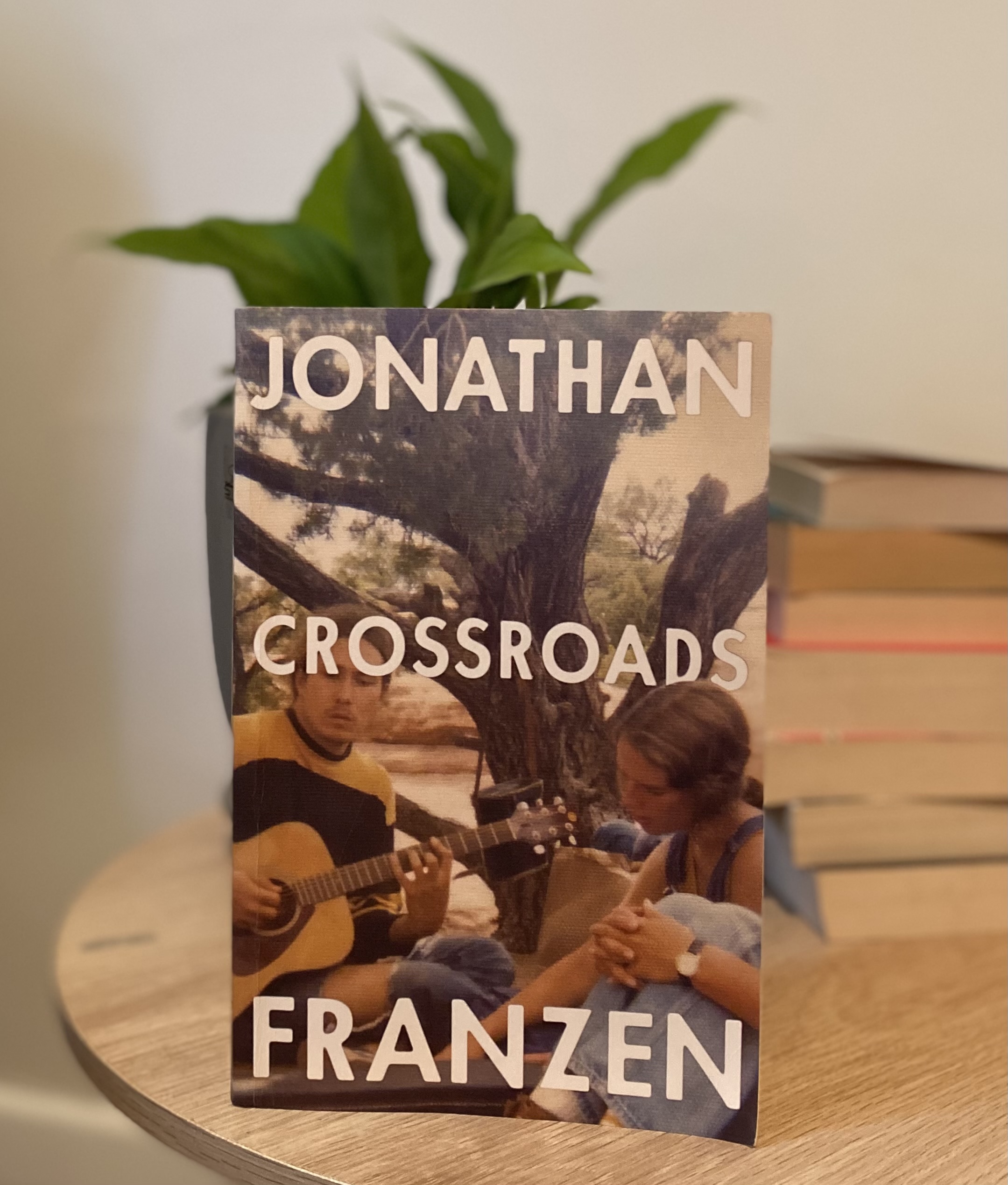
Book Review: Crossroads by Jonathan Franzen

This novel set in the early seventies is an epic character study of the Hildebrandt family and their individual confrontation with the moral dilemma of how to be a good person.

Franzen is highly skilled in dropping the reader into the point of view of each of the family member. We begin with the father Russ, an assistant minister, a weasel of a man, weak and highly unlikeable as he navigates his way out of a long marriage for the lust of a young widow, Frances who cares little for him. Russ takes no responsibility for his moral dilemmas believing it is everyone else’s fault, in particular his wife, Marion.

About Marion, Russ says, “if she hadn’t been so supportive of his failings, he might have made peace long ago. Frances had restored him to his courage, his edge, by believing he was capable of more.”

Learning what’s behind Marion’s self-loathing and remoteness, she deserves our pity which serves to enhance the reader’s disgust towards Russ. Her support has elevated him in the community and within the family despite hiding a traumatic secret of who she truly is. And we wonder at her power to be someone she’s not for so long.

The oldest son, Clem sees his father for what he is. Away at college he is naively drawn into his first relationship with a woman who is not his younger sister, Bec. He seems too innocent to be true but confronts a dilemma about studying instead of fighting in the Vietnam war.

His younger sister, Bec, a typical teenager, cool and beautiful, looks for guidance not from her self-absorbed parents but from hip youth leader Ambrose, Russ’s arch enemy. The younger son, Perry is the one who most needs help who finds solace only through drugs.

This is a curious family with an underlying belief in God as an excuse for their behaviour yet the older children have been allowed to neglect their religion practice. Russ, out of all the characters, is the one deeply flawed character I disliked the most which of course makes him the most interesting.

Marian despite our sympathies about her earlier life, cruelly dumps what she believes is a hereditary mental health problem onto fifteen-year-old Perry who is the most ill-equipped to be able to handle it. He is the character, I felt most sorry for. Severely let down by his parents, the only shining light is his sister who tries inadequately to help until she was drawn into her own problems. The only mature one, out of them all was eight-year-old Judson who is a delight.

Finding God is a vehicle of action and a solution for each of the characters woes, which is probably something that might be true for many people.

‘Dear God, she prayed, if this is the final test, I accept the test. If my time has come, I’ll die rejoicing in you… If it’s your will that I live, I promise I will always serve you.’

This indeed is a dysfunctional family and Franzen portrays them and the small town they live in, beautifully. Strong themes of religion run through it, quite heavily at times, as well as current issues of the Vietnam war, drugs and mental health.

This is a very lengthy novel, beautifully written but overly long with dumps of religious messaging which was too laboured for me. Yet, the characters are what kept me completely compelled. Give it a go.